1 min read
10 Steps to Start a Franchise Business
Franchising can be a great way for business owners to rapidly grow their products or services with relatively low costs. However, building a...
As a franchise lawyer, I see many people who are interested in using franchising as a growth strategy for their business.
When discussing whether franchising is the right growth strategy (rather than organic growth or licensing), one of the first topics I talk about is branding.
In this article, I'll cover a number of initial factors that should be considered when assessing the possibility of franchising your business (including branding).
But first, I examine what franchising involves and how it can facilitate the growth of your business.
Most successful businesses can be franchised if they have:
Franchising is simply a business model where one party (the franchisor) grants another party (the franchisee) the right to use their business concept, trademark and operating systems in exchange for fees and royalties.
The best known franchise system in Australia is probably McDonald's, operating over 870 franchise outlets Australia wide.
Franchising is not just for retail food, many service brands are franchised, for example "Jim's".
Jim's is one of the longest running franchise networks in Australia. Jim's was established in 1982 as a lawnmowing business and began franchising in 1989, initially in lawnmowing and then expanding to other services. At around the same time, VIP Home Services also started franchising, expanding to approximately 1,000 franchisees in the 1990's.
In my experience, franchising can provide significant benefits to business owners looking to expand their brand.
For the franchisor, granting the rights to another individual or company to operate a business using its established brand, systems, and intellectual property can open up a world of possibilities. When working well, franchising allows you to expand your brand without the need for significant capital investment. Instead, the franchisee takes on the responsibility of financing and operating individual franchise units, ultimately shouldering the financial risks.
On the other hand, franchisees can benefit from the established brand recognition and customer base that the franchisor has already built.
Advantages and Disadvantages of Franchising
Most profitable and successful businesses can be franchised.
While franchising continues to be a popular growth option for retail and quick service restaurants, other franchise sectors such as wellness, fitness, education and aged/community care, are growing .
Examples of the types of businesses that can be franchised are set out below (these examples are not exhaustive):
Retail
Food
Coffee
Convenience
Services
Cleaning
Lawnmowing
Trades
Home Services
Professional Services
Education and tutoring
Consulting
Wellness and Care Services
Fitness centers and gyms
Personal training
Allied health services
NDIS service providers
Home Care businesses
Community care services.
Technically, yes, you can franchise a business without a well recognised brand.
Many businesses begin franchising with only one or a handful of locations and relatively low brand awareness.
A business can still be franchise ready if it has:
consistent products or services,
However, in today's competitive market, having a strong brand is important for any business looking to stand out. Your brand tells the story of who you are and what you have to offer, and sets you apart from your competitors.
When you franchise your business, your brand becomes even more important, as franchisees will be investing in it to attract and retain customers.
A strong brand helps franchisees:
generate customer trust more quickly,
differentiate themselves from competitors,
benefit from collective marketing efforts.
The stronger the brand becomes, the easier it is typically to recruit franchisees and expand into new markets.
By focusing on your brand, you can build a strong foundation for your franchise system.
Remember, branding involves more than just a name or trademark. It's everything your business does, from marketing to menus and uniforms. Even the layout and interior styling of your premises matter.
Two ancillary questions about your brand name are:
I recommend that before you start the process to franchise your business, you make sure that you can use your brand or trademark throughout the territory in which you want to franchise.
You don't want to be in a situation where you have put time and resources into developing your franchise model and preparing franchise documents, only to find that you can't use your brand interstate because somebody else is already using it.
Two useful and free tools that I use are: ASIC's website for conducting business name searches and IP Australia's website for conducting trade mark searches.
If you are able to use your brand name and visual identity throughout the territory in which you want to franchise your business, you should take steps to protect your brand before you franchise.
One of the things that sets franchising apart from licensing as a growth strategy is that a franchisee will use your processes and procedures to operate their business. Consequently, you need to be able to pass on your processes and procedures to franchisees.
Often franchisees will not have operated their own business before, so they may not be aware of all of the things involved in running a business.
Examples of processes and procedures include operations, inventory management, shipping, accounting, training, customer service, HR and purchasing.
While you do not have to provide all of these procedures to franchisees, I recommend that initially you at least document processes and procedures for your key business activities.
When considering your key business activities, think about the activities that are the most important to your business. For example, if customer experience is an important aspect of your business, well documented customer service related processes and procedures are vital to replicating the business.
I would not recommend that you put resources into creating your franchise structure and having your franchise documents prepared, if you don't at least have in place documented processes and procedures for your key business activities.
You may also provide a franchisee with policies including business operation related policies (such as HR policies), or franchise network related policies, such as site selection or territory selection policies.
If you don't have documented business systems in place, you may consider licensing as an initial step to grow your brand, while you are still developing your systems. I have been involved with a number of businesses who started licensing as a first step before franchising.
Under a licence agreement, while the licensee will use your brand or sell your product, they won't operate a business under your system.
Is franchising the best business growth strategy?
When you are considering franchising your business, remember that strong franchise brands are built through consistency. At it's simplest form, franchising involves replicating your business.
If a franchise location does not align with your brand standards, it's less likely that customers will return and your brand may be damaged.
If the franchise is a retail based franchise, suppliers are integral to maintaining brand consistency, as franchisees will generally need to purchase from approved suppliers.
Consequently, as a retail based franchisor you need to develop ongoing supplier relationships.
Your growth as a brand may be constrained by your supplier's ability to supply goods and services to your franchisees in a timely manner. You may also need to spend time working with suppliers to ensure that their product aligns with your brand message.
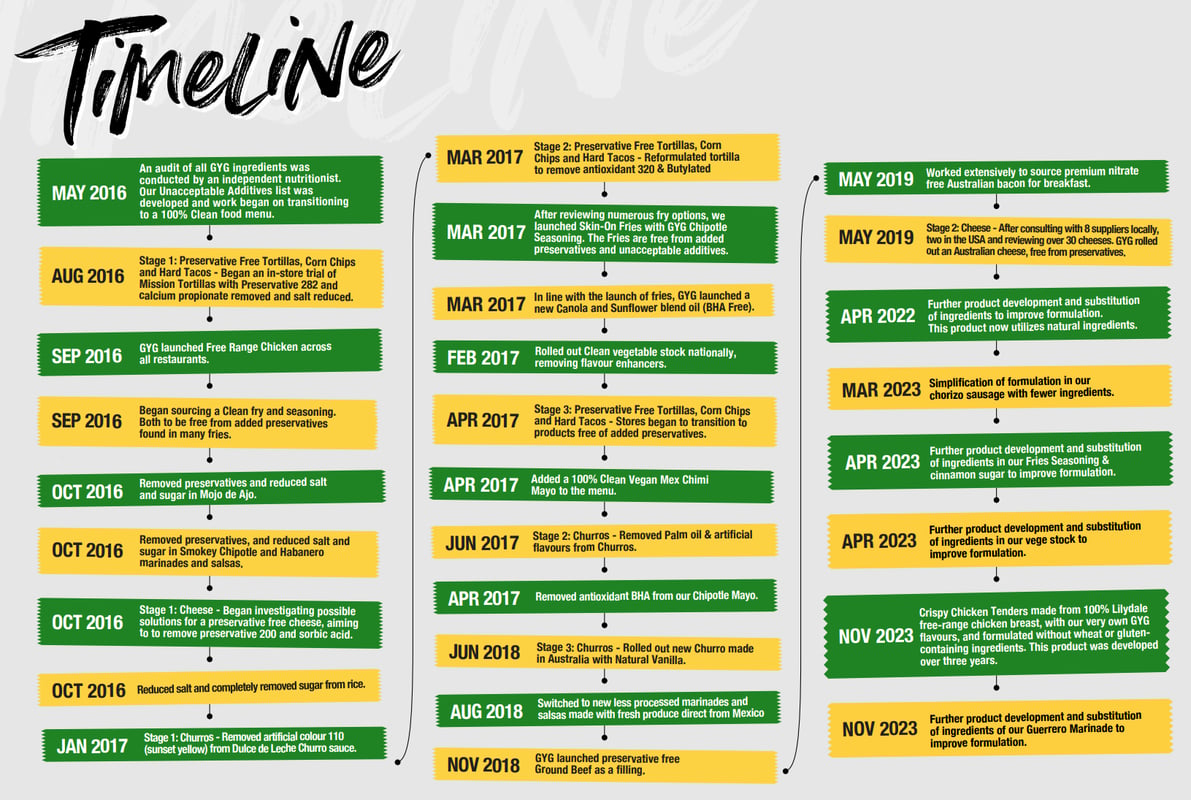
An example of this is Guzman Y Gomez's brand message of Clean is the New Healthy. Suppliers need to be able to supply a clean product to Guzman Y Gomez franchisees (and meet the demands of a growing franchise system).
Guzman Y Gomez are very transparent about their journey which is illustrated in the following Timeline.

In services franchises, in order to maintain consistency, detailed processes and procedures must be in place and franchisees and their employees need to be well trained.
Ultimately quality and consistency in your franchise network depends on selecting the right franchisees, providing ongoing support and training, and ensuring compliance with franchise standards.
Steps Involved in Building a Franchise System
Some of the key considerations that I have set out in this article if you are considering franchising a successful business are:
If these foundational aspects of your business are not yet developed, you may not be ready to use franchising as a growth strategy.
Additionally, while these foundational elements are important, they are not the only ones to consider.
Part 2 of our "Can I Franchise My Business" series examines the financial aspects of franchising your business.
Financial considerations when franchising a business
While franchising can be a great way to grow your business, it is not the only option. Before you make the decision to franchise, it's important to do your research.
Before investing in franchise documentation, it is important to determine whether your business is genuinely franchise-ready.
Our franchise lawyers can help assess:
brand strength,
trade mark protection,
franchise suitability,
growth strategy options,
franchise compliance requirements.
Legal requirements to franchise your business
Most successful businesses can be franchised if they have:
a strong and distinctive brand
replicable business systems
consistent products or services
While there is no technical requirement that you have a trade mark before franchising your business, it is best practice to do so.
Investors and franchisees will want to know that your business name is protected.
Yes, service businesses can be franchised.
With a service business there is more emphasis placed on the business systems of the franchised business, including how the service is delivered.
The first step in franchising a business is to speak to a franchise adviser (whether that be a franchise lawyer or a franchise consultant) about whether your business is franchise-ready.
A franchise adviser will also explain to you how franchising works, and will let you know what you need to do to franchise your business.
Franchising is not the right growth strategy for every business so it is important to speak to a franchise adviser before you make the decision to franchise.
Franchising is regulated in Australia by the Franchising Code of Conduct (the Franchising Code).
Under the Franchising Code every franchisor must prepare a disclosure document.
Additionally, every franchise system needs a well written franchise agreement (that complies with the requirements of the Code).
These are the two basic legal documents that are needed to franchise a business.
Additionally, a franchise system should have well documented business systems.
Whether licensing or franchising is a better growth model for your business will depend on your business and your business goals.
Licensing is less regulated than franchising, but generally offers less control for the licensor.
Franchising is heavily regulated, but allows the franchisor to have more control over how the business is operated through the franchise agreement and manuals.
Disclaimer
The information in this article is general in nature and is not intended to address the circumstances of any person or other entity. Although we do our best to provide timely and accurate information, we do not guarantee that the information in this article is accurate or that it will continue to be accurate in the future.
1 min read
Franchising can be a great way for business owners to rapidly grow their products or services with relatively low costs. However, building a...
1 min read
This article was updated on 17 May 2025 In this guide we consider the franchise disclosure document, the importance of franchise disclosure document...
Read More